

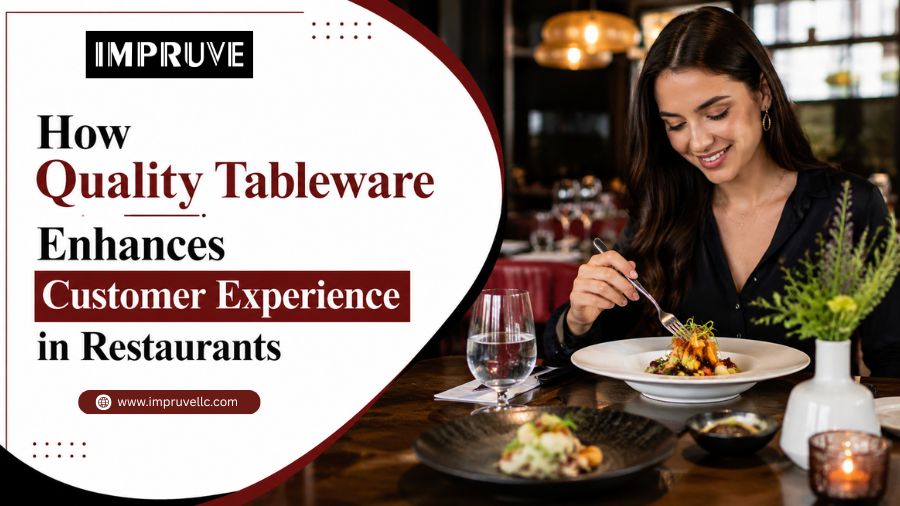
Quality Restaurant tableware works as the culinary canvas, immediately communicating a restaurant’s brand and standards. It elevates food presentation, psychologically improves the perceived taste of ingredients, and sets the total environment, transforming a regular means into a memorable, premium dining experience that inspires guest loyalty.
When people move into a restaurant, they are seeking more than only a plate of food to please their hunger. They are finding an experience. Every detail inside the dining room contributes to this experience, from the lighting and background music to the convenience of the chairs. However, one of the most crucial touchpoints is usually the most ignored: the products that sit directly in front of the guest.
The plates, knives, bowls, forks, and glasses on a table not only hold and move food, it is play an amazing role. Collectively known as restaurant tableware, this equipment serves as the physical bridge between culinary creations of your kitchen and your guests’ vibes. Making an investment in premium products from reliable suppliers in the UAE can turn a common meal into an exceptional dining memory.
Understand Why Quality Restaurant Tableware is Important
1. Creating a Powerful First Impression
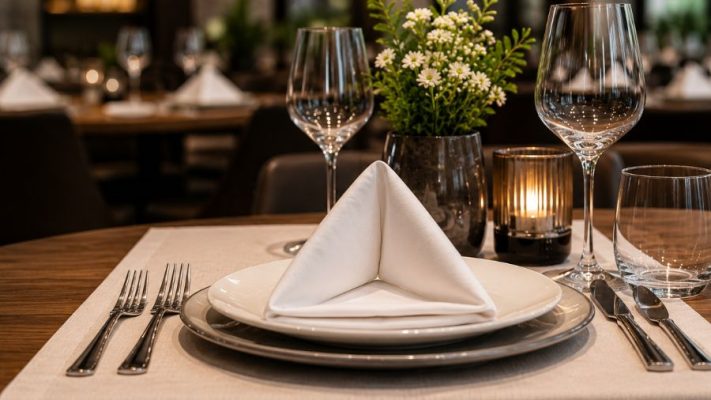
Human beings process their surroundings visually long before they connect with them physically. The moment guests are guided to their seats, their subconscious assessment of your restaurant starts. Before a single piece of food is served, they scan the laptop, making split-second assumptions about the meal, the service, and the entire norms of the formation.
Why the first presentation Matters –
- Setting Quality Expectations – Immaculate, well-arranged restaurant tableware establishes an immediate, positive standard for the upcoming culinary experience.
- The Hygiene Subconscious – If a client notices a chipped plate, a spotted wine glass, or a thin, lightweight fork, their perception drops immediately. They naturally start to question the cleanliness of the kitchen, the freshness of the ingredients, and the care put into the food.
- Demonstrating Respect – Establishing your tables with hefty, ideally polished flatware from major cutlery suppliers in UAE signals to your visitors that your company values accuracy, closely focuses on detail, and respects their decision to dine with you.
2. Elevating Food Presentation and Perceived Value
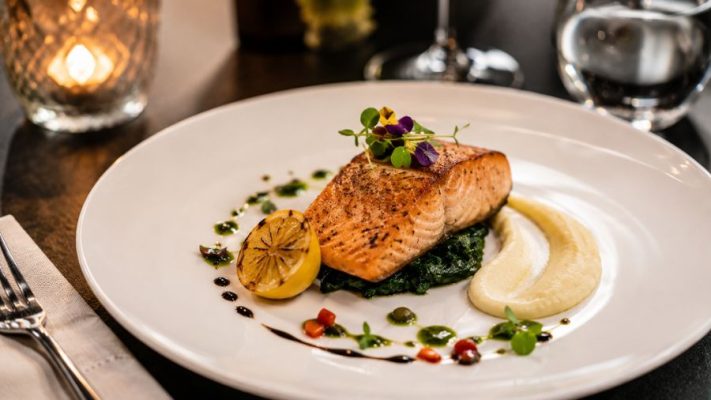
There is a basic fact in the culinary world: we eat first with our eyes. The visual attraction of a dish changes how we experience its texture, taste, and total quality. The precise recipe can look like an ordinary, uninspired food or a Michelin-star masterpiece, thoroughly based on the structure in which it is presented.
The impact of visual framing –
- The Flavor Connection – Academic analysis in sensory science verifies that the visual presentation of food directly changes how the human brain processes flavor.
- Enhanced Cost Elasticity – Studies present that diners are constantly keen to pay remarkably more for a similar appetizer or main course when it is served on a refined, stunningly designed plate instead of a plain, classic, or mismatched setup.
- Strategic Contrast – Connecting with a professional crockery supplier in UAE, chefs are able to choose bespoke dinnerware profiles, sleek white porcelain for light sauces, rustic stoneware for comfort food, or bold matte black crockery for high-contrast plating, making sure every ingredient looks as if it belongs there and is appetizing to the eye.
3 .The Psychology of Weight and Touch
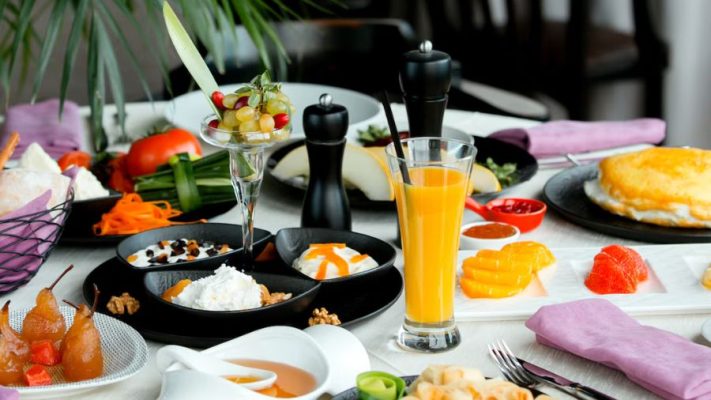
The client experience doesn’t end with sight; it changes dramatically when a visitor physically communicates with your table settings. The weight, balance, and texture of your tableware give constant, subconscious messages directly to a guest’s brain about the luxury level of your venue.
Tactile Feedback and Perception –
- The Heavy-Quality Correlation – In the hospitality industry, physical weight is robustly tied to premium quality. When a guest picks up a hefty, well-balanced fork and knife, it feels substantial and trusted.
- The Cheap-Material Turnoff – Conversely, adaptable, lightweight, or hollow-feeling flatware feels affordable, fragile, and temporary. Using a forged 18/10 stainless steel fork that rests ideally balanced in the hand immediately improves the tactile convenience of eating.
- The Beverage Experience – The exact rule applies to your selection of glassware. Serving a signature cocktail, a designed mocktail, or a fine wine in a delicate, crystal-clear glass sourced from a reputable glassware supplier in UAE wholly changes how the client views the drink. The crisp sound of top-quality glass clinking and a sophisticated, thin-rimmed edge make every sip feel exclusive and indulgent.
4. Aligning with Your Restaurant’s Theme
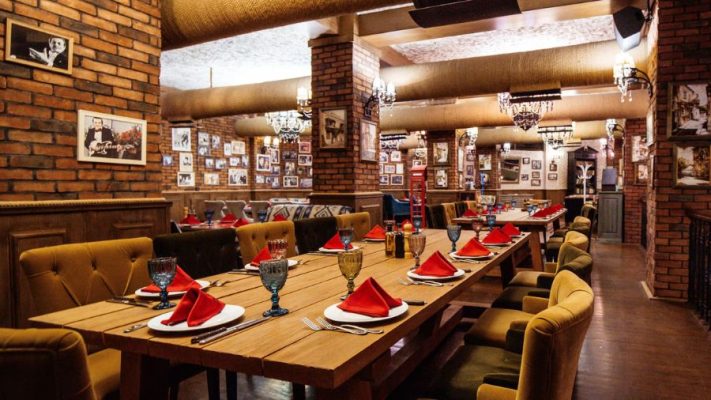
Your selected tableware must never be chosen in isolation; it should tell a strong story that smoothly mixes with your interior design, lighting, and menu identity. A mismatch between the style of your food and the style of your plates makes a confusing, disjointed experience for the client.
Selecting restaurant tableware based on concept –
- Fine Dining Establishments – These formal environments lean highly toward bright white bone china, stunning, polished silver, and high-stemmed crystal glassware to cultivate an environment of mind-blowing luxury, tradition, and refinement.
- Chic Cafes and Casual Bistros – These relaxed areas usually get a much better fit utilizing remarkable, organic stoneware structures, uneven hand-glazed textures, and colored glassware to make an inviting, advanced, and artisanal feel.
- Cutting-Edge Curation – Working alongside broad hospitality professionals like Impruve LLC permits restaurant owners to develop cohesive, cutting-edge tableware collections where the structures, textures, and color palettes ideally match the architectural and culinary design aesthetic.
5. Merging Customer Experience with Durability

For a restaurant owner, improving the guest experience should always be balanced against functional realities. Tableware in a commercial dining environment goes through intense, punishing regular wear. A high-temperature chemical dishwasher runs through hundreds of dishes every week, clearing them at high speeds and stacking them tightly in busy kitchen dishwashing stations.
The Real cost of affordable restaurant tableware–
- The Replacement Trap – Purchasing affordable, retail-grade tableware to save money upfront is a costly mistake. Low-quality plates chip effortlessly, substandard cutlery scratches and rusts over time, and affordable glass clouds over or cracks immediately under thermal shock.
- The Aesthetic Liability – Chipped, dull, or stained products can’t be served to clients without destroying your standing, meaning your management group should continuously spend money purchasing replacements.
- Commercial Grade ROI – Making an investment in real commercial-grade restaurant tableware delivers clear functional and presentation benefits that directly secure your bottom line –
- Vitrified Porcelain – High-strength, non-porous, and explicitly chip-resistant. It remains pristine, glossy, and wholly hygienic over long functional lifecycles.
- Forged 18/10 Stainless Steel – Extremely resistant to rust, staining, bending, and food acids, sustaining its amazing silver-like shine with a classic hand-feel for years.
- Commercial Glassware – Made with reinforced rims and thermal-shock-resistant bases that deliver crystal transparency without clouding, scratching, or breaking under pressure.
Final Thoughts
Every item on a restaurant table is a direct reflection of your brand’s values. Choosing your table settings based on the lowest price tag alone misses a huge opportunity to connect with your guests.
When you buy your dinnerware, flatware, and glasses from professional restaurant suppliers in UAE, you can trust that you’re investing in items that make your food look beautiful, feel premium, and stand up to the daily rigors of a busy kitchen.
Take a close look at the way you present tables today. Time tested way to upgrade your setup with dedicated regional suppliers like Impruve LLC to improve your food presentation, impress your customers, and establish a long-lasting reputation for outstanding dining.
Also Read: Upgrade Your Restaurant with Comfortable and Stylish Furniture
FAQs
The quality of the tableware used in a restaurant will significantly influence the restaurant’s atmosphere, creating an entire dining event that conveys professionalism and a commitment to high quality. Using high-quality tableware guarantees that food will remain safe for customers, enhances how appealing the food looks to customers, and protects your business by minimizing continual replacement of chips and breaks.
The type of tableware used in a restaurant is one of the most important visual and tactile touchpoints for customers. The weight of the cutlery, texture of the plates, and clarity of the glassware will all subconsciously impact how customers perceive the restaurant’s level of service as well as the taste of the food being served.
In fine-dining restaurants, classic, high-quality materials such as fine bone china, vitrified porcelain, and 18/10 stainless steel or silver-plated cutlery work best. In addition, crystal glassware will complete your restaurant’s wine and beverage service.
Yes, using custom, quality tableware will help establish a unique brand identity for a restaurant. An aesthetically pleasing table setting encourages customers to share their dishes on social media, increasing the restaurant’s organic online exposure and enhancing the restaurant’s luxury or premium brand image.
Crockery works as the canvas for the culinary work of the chef. A plate’s color, shape, and rim provide visual structure and contrast, elevating an ordinary meal into a luxurious presentation.
Cutlery made of high-grade material offers the following advantages: They do not bend, rust, or become discolored due to commercial dishwashers or the effects of food acids. Heavy cutlery that has perfect balance feels more substantial to a guest when held in their hand, which enhances their tactile enjoyment while dining.
When your meal looks beautiful, and your tools feel high-end, you will be more satisfied with your dining experience; research shows similar results. Studies indicate that diners perceive a greater level of enjoyment from their meal when they see high-quality table settings than when they see cheap table settings.
Luxury restaurants will choose to serve premium glass and dinnerware so that they can charge more for their menu items while also creating a full sensory dining experience. The fine edge of a crystal glass and the smooth finish of a high-quality porcelain plate enhance the physical experience of eating and drinking.
Tableware should be swapped out right away if it is chipped, heavily scratched, rusted, or stained. Most busy restaurants do a quick inventory audit every 6 to 12 months to refresh their supply and replace the pieces that get worn out over time.
Restaurants need to juggle aesthetics with day-to-day operations. Key factors are durability (commercial grade), dishwasher and microwave safety, stackability for the kitchen workflow, whether spares are easy to get, and how well it matches the menu’s theme or the overall vibe they are aiming for.
Not directly like a coupon would, but yes, in a quieter way. Guests often remember the whole ambience, especially when the dining setting feels polished. Solid tableware supports a premium atmosphere, so diners are more likely to come back and also mention it to friends.
Tableware helps add depth, texture, and that extra sense of dimension to the presentation. For instance, wide rim pasta bowls can frame sauced items neatly, while matte or textured stoneware surfaces make a more natural, earthy background, so the fresh ingredients look even more vivid.
Commercial tableware is sort of engineered for heavy volume, you know. It usually has reinforced edges, chip-resistant glazes, and it handles thermal shock better, so it survives commercial dishwashers. Residential tableware tends to be thinner, more fragile, and it can start showing wear really fast if you put it in a restaurant setting, like day to day.
In the UAE, restaurants can get premium tableware from hospitality-focused commercial suppliers, like Impruve LLC, plus there are regional commercial showrooms in Dubai. You can also look at specialized B2B trade platforms across the Emirates, depending on what you need.
Even though the first purchase is pricier, commercial-grade, durable tableware really drops the breakage plus chip rate. That means less re-purchasing of replacement stock, which adds up, and can save restaurants a lot of money over time, like thousands in the long-term operational costs.
Right now, the vibe is moving toward “tactile dining” and more organic, lived-in styles. People are leaning into stuff like –
Glassware is everywhere in plain sight, so it directly affects how wine, cocktails, and water services feel and look. And with buffetware, better options, like induction-ready chafing dishes and premium risers, keep food at safe temperatures, while also making big food displays come off clean, organized, and honestly more appetizing.

The Editorial team at Impruve LLC is an official content and insights team that operates under Impruve General Trading LLC, a leading UAE-based supplier established in 2019, with more than 20 years of experience and expertise in hospitality, manufacturing, supplies, and logistics. At our platform, we provide professional buying guides, insights into industry trends on hotel suppliers, Furniture, Fixtures & Equipment (FF&E), Operating Supplies & Equipment (OS&E), buffetware, kitchen equipment, restaurant essentials, and other hospitality solutions. Therefore, we make it easy for hotels, restaurants, and catering businesses to remain informed and make wise decisions for their sourcing and procurement across the UAE.

 Call Us
 Whatsapp Us
 Email Us