

In the hospitality industry, glassware is more than just a vessel; it is a crucial tool for improving the flavor, aroma, and visual presentation of beverages. Selecting the appropriate glass makes sure that drinks are served at the optimal temperature and that visitors’ perceptions of quality are reinforced.
Why Hospitality Glassware Quality Defines Your Brand
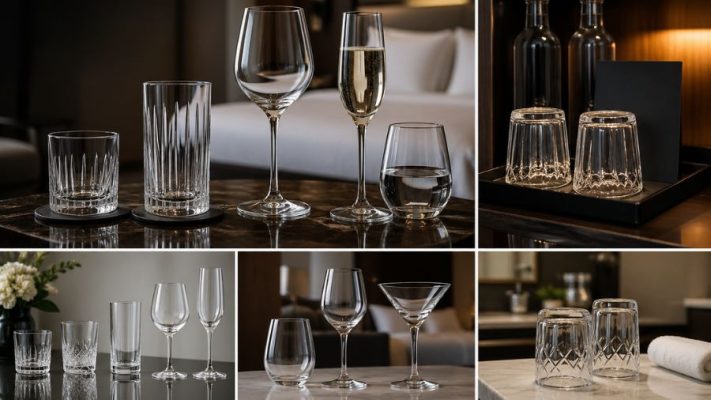
Below is a thorough look at why making an investment in premium hospitality glassware is crucial for describing and sustaining a high-end brand recognition.
- Visual Brilliance and Clarity – The first interaction a guest has with a beverage is visual. Top-quality glassware, specifically lead-free crystal, holds a refractive index that standard glass can’t match.
- Color Accuracy – Premium glass is free from the faint green or gray tints found in affordable soda-lime alternatives. This permits the real hue of a vintage wine, the thriving layers of a craft cocktail, or the transparency of premium sparkling water to be presented ideally.
- The Perception of Cleanliness – High-clarity glass sparkles under restaurant lighting. This brilliance reinforces the guest’s confidence in your establishment’s hygiene and focus on detail.
- The Luxury Clink and Acoustic Elegance – Sound plays a psychological role in the dining experience.
The auditory feedback of glassware is a subtle but strong signal of quality.
- Resonance vs. Thud – When visitors toast, top-quality crystal makes a long, clear, and musical ring. In contrast, thick, affordable glass produces a short, dull thud.
- Atmospheric Impact – In a quiet, sophisticated dining room, the delicate sound of premium glassware contributes to an environment of refinement. It notifies the guest that they are in a space where quality is prioritized in every dimension.
- Precision Temperature Regulation – The physics of glassware design directly affects the physical state of the drink. Luxury glassware is engineered to secure the goodness of the beverage.
- Thermal Mass – Thin-walled glasses have less thermal mass, meaning they do not absorb the cold out of a chilled white wine or the heat out of a specialty coffee.
- Stem Functionality – In luxury collections, stems are developed to be stunning yet operational, delivering enough distance between the visitor’s warm hand and the bowl to control the beverage from warming up prematurely.
- Aeration and Flavor Engineering – The structure of a glass is a functional tool for flavor delivery. Utilizing the wrong glass can stifle a costly beverage, making it a bad financial decision for the guest and the hotel.
- The Rim Experience – Premium glassware features a laser-cut or sheer rim instead of a thick, rolled edge. This permits the liquid to flow seamlessly onto the palate, targeting particular taste buds and improving the texture of the drink.
- Aroma Trapping – Deep bowls, such as red wine glasses or tapered openings in spirit snifters, are developed to trap volatile aromatics. Without this particular engineering, the complicated notes of a top-notch beverage just evaporate into the air before the guest can enjoy them.
- Professionalism and Operational Authority – Finally, serving the right glass for each particular drink shows F&B expertise. It tells the guest that your staff is more than servers; they are curators of the gastronomic experience.
- Brand Trust – Serving a guest a particular varietal or a technical cocktail in the historically and scientifically “correct” glassware instills immense trust in your brand’s authority.
- Consistency – A curated luxury hotel glassware collection guarantees the same experience across different outlets, whether at the lobby bar or through in-room dining, solidifying a cohesive brand image.
Essential Hospitality Glassware Types and Their Uses
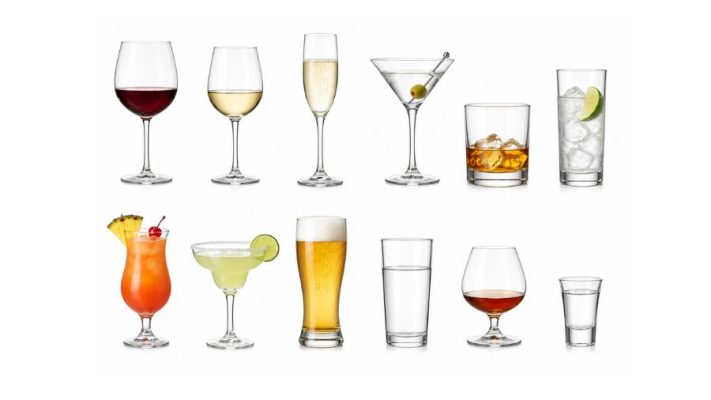
To get started with an amazing bar & restaurant, you will need to put a lot of stock (inventory) into your business. Below is a list of the most important things that any bar & restaurant should stock.
1. Your Winery Glassware
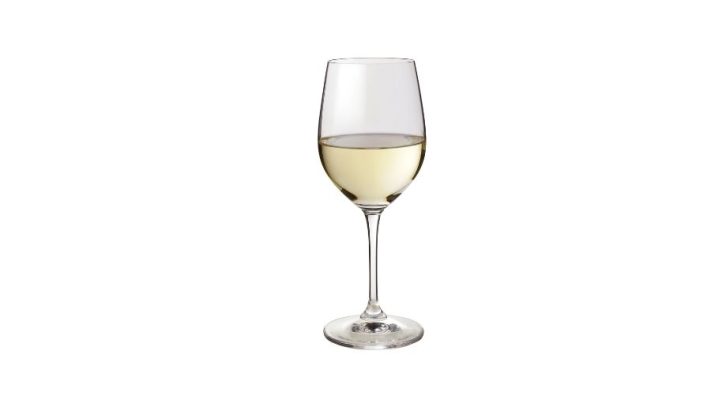
The most important thing about serving wine is the shape of the glass.
- Red Wine Glass – A red wine glass is rounder and larger in diameter than other types of glassware, so that the wine has maximum exposure to oxygen. This helps to enhance the complexity of the flavors in the wine!
- White Wine Glass – A white wine glass is smaller with a “U” shape, and this helps to keep the temperature down and maintain the floral notes in the wine!
- Flute & Coupe Glasses – Flutes are designed for bubbly drinks and help to keep the bubbles in the drink longer, while coupé glasses lend a vintage feel to special drinks and cocktails that are served on special occasions.
2. Tumblers & Highball Glasses
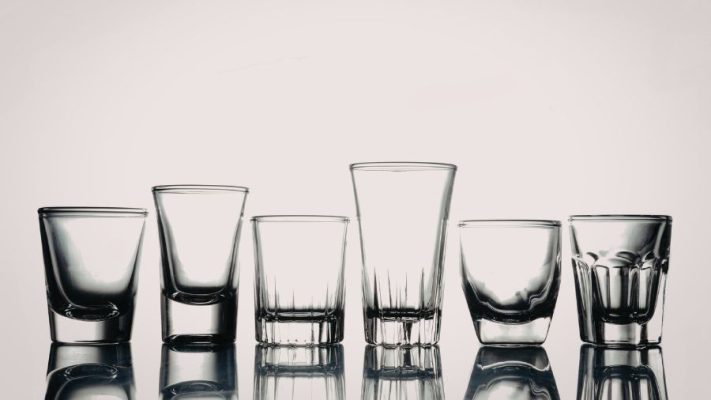
The “workhorse” of all hospitality glassware will be your highball glasses and tumblers.
- Old Fashioned Glasses – Short, heavy-duty, and used to serve short drinks with direct ice in them.
- Highball or Collins Glasses – Tall and straight, and used to serve tall drinks, juices, and sodas.
- Specialized Cocktail Glassware
- Martini/Cocktail Glass – The iconic V-shape controls ingredients from separating and holds the hand away from the drink to stop warming.
- Margarita Glass – Features a wide rim, ideal for salt or sugar coatings.
3. Water and Juice Glasses
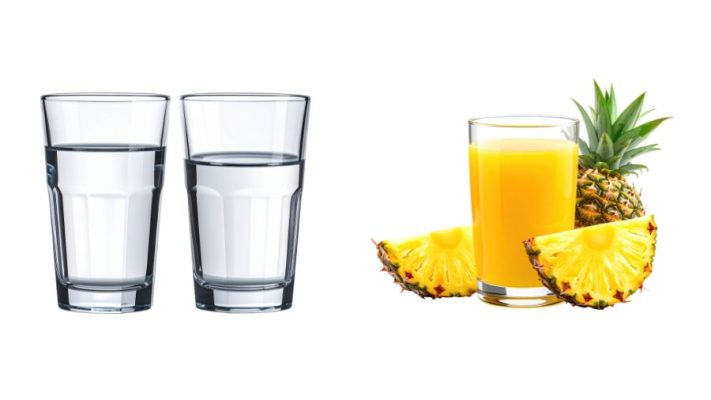
Constantly overlooked, these should match the aesthetic of your preliminary dining sets. In 2026, numerous luxury hotel glassware collections are moving toward textured or colored water glasses to add a pop of personality to the table setting.
Practical Tips for Glassware Maintenance
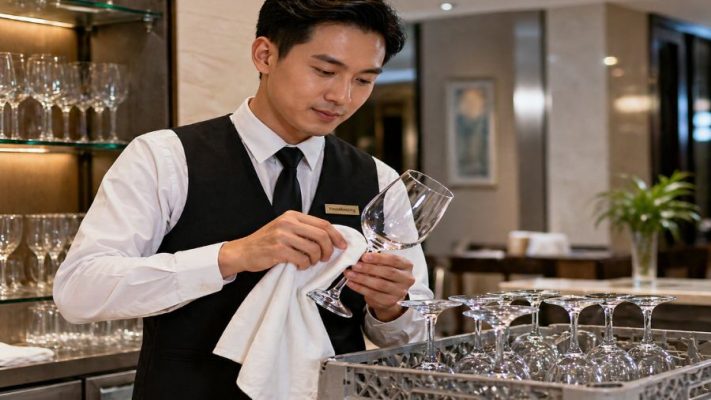
An expensive piece of glass can look less expensive if it has chips or is cloudy.
- Polishing is Key – Never clean with a cloth that leaves lint behind when polishing your glasses.
- Storage Matters – Glasses should always be stored upright because they can trap bad odours from stale air when stored rim down, making the drinks taste bad the next time they are used.
- Thermal Shock – Never take a glass directly from a hot dishwasher into a cold ice station – doing so will cause it to have micro-cracks or explode instantly.
Conclusion
Your drinkware is an unspoken representative of your business; It demonstrates your concern for elegance, cleanliness, and craftsmanship in the delivery of your beverages and to your patrons. When considering the purchase of a luxury hotel glassware collection or everyday basics, consulting with experienced Hotel Suppliers in UAE, such as Impruve LLC, assures you of receiving the maximum benefit from your purchase.
The trend in 2026 is towards “functional art”; drinkware that performs like an everyday product yet has the appearance of a piece of art. Be prepared for the bright lights of the photoflash for your collection.
FAQs
The core styles include Wine Glasses (Red, White, Sparkling), Tumblers (Highball, Rocks/Old Fashioned), Stemware (Martini, Coupe), and Specialty Glassware (Beer mugs, Snifters, and Water goblets).
Match the glass to your vision and menu. Evaluate the “hand-feel” (weight), the transparency of the material, and the durability (dishwasher safety). Constantly test how the glass looks under your precise venue lighting.
Begin with the “Universal Four”: A Universal Wine Glass, a Highball/Water Glass, a Rocks Glass, and a Champagne Flute. These cover almost 90% of common beverage orders.
Bar glassware is made for high-speed service and durability, usually featuring thicker bases. Restaurant glassware concentrates on aesthetics and “sheer rims” to improve the flavor of paired wines and meals.
A good rule of thumb is 1.5 to 2.5 times your seating capacity per glass type. This confirms you have adequately covered a full house while a substantial portion is in the washing and drying cycle.
Completely Tempered Glass is the most stable for high-volume service as it is resistant to thermal shock. For indulgence settings, Lead-Free Crystal is preferred for its strength-to-thinness ratio and excellent clarity.
Bypass “mechanical shock” by never stacking glasses that are not prepared to be stackable. Utilize plastic-coated glass racks for washing, and secure staff never scoop ice directly with a glass./span>
Use professional-grade detergents at high temperatures. Glasses should be stored upright in ventilated crates. It is possible to trap odors and chip rims by storing them rim-down on mats.
The biggest blunders are serving drinks in warm glasses directly from the dishwasher and utilizing “cloudy” or etched glass driven by improper detergent levels.
Yes. Purchasing in bulk decreases the unit cost and makes sure you have identical replacements prepared when breakages happen, sustaining a consistent look across your tables.
Recent trends comprise textured/ribbed glass, stemless wine glasses for casual settings, and vintage-style coupes replacing the conventional V-shaped Martini glass.
Inventory must be audited quarterly. Any glass with even a minor chip or remarkably etching must be eliminated and replaced instantly to sustain protection and brand standards.
Seek pulled-stem glasses. They look more stunning like hand-blown crystal but are made by machines, making them more cost-effective and durable.

The Editorial team at Impruve LLC is an official content and insights team that operates under Impruve General Trading LLC, a leading UAE-based supplier established in 2019, with more than 20 years of experience and expertise in hospitality, manufacturing, supplies, and logistics. At our platform, we provide professional buying guides, insights into industry trends on hotel suppliers, Furniture, Fixtures & Equipment (FF&E), Operating Supplies & Equipment (OS&E), buffetware, kitchen equipment, restaurant essentials, and other hospitality solutions. Therefore, we make it easy for hotels, restaurants, and catering businesses to remain informed and make wise decisions for their sourcing and procurement across the UAE.

 Call Us
 Whatsapp Us
 Email Us